

The number of signatures for the call for Baimuradova's burial has exceeded 100.
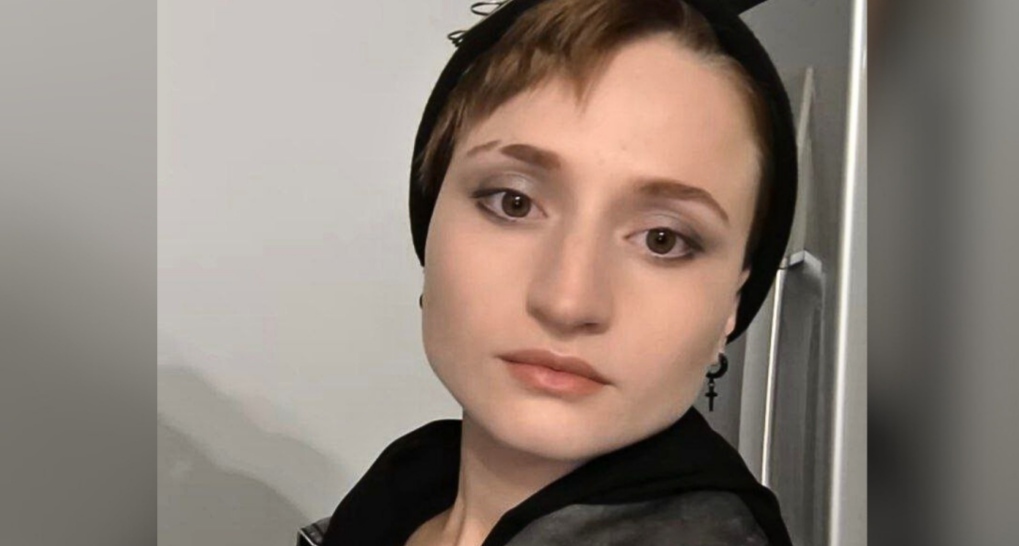
A petition by human rights activists calling on Armenian authorities to release the body of murdered Chechen native Ayshat Baimuradova to her friends for burial has garnered 107 signatures.
As reported by the "Caucasian Knot," the petition calling for the release of Ayshat Baimuradova's body was published on January 23 on the Change.org platform by the human rights organization "Crisis Group SK SOS" (included in the register of foreign agents). By the evening of January 27, the petition had garnered 73 signatures.
The authors of the petition called on the Armenian authorities to hand over the body of the murdered woman to her friends for burial, since the girl's relatives did not express a desire to bury her in her homeland.
On January 30, a week after the publication of the petition calling for the handover of Baimuradova's body, the number of signatures under it exceeded 100. As of 8:28 a.m. Moscow time on January 31, the appeal had 107 signatures.
New signatories on the petition page include Change.org users with the handles Anstassiya Pak, Dmitry Topilskikh, Anzhela Rogozina, Darya Vardanyan, Anita Kanitz, Inga Loginova, Vitaly Gutnik, and others. Information about these users and their comments are not published on the platform.
23-year-old Chechen native Ayshat Baimuradova was found dead on October 19, 2025, in a rented apartment in Yerevan. She fled to Armenia to escape domestic violence, but publicly criticized Kadyrov's regime. Human rights activists have not received the final results of the autopsy on Baimuradova's body. A request was sent to Russia regarding her burial, but no one was found willing to take Baimuradova's body home within three months.

Aishat Baimuradova's relatives live in the Gudermes district, and many of them, like the murdered woman's ex-husband, are connected to the security forces, wrote in a comment on January 30th by a reader of the "Caucasian Knot" with the nickname nerissa.
"One of the reasons for the murder, as some observers believe, could have been that the girl not only led an "incorrect" lifestyle from the point of view of her relatives, but also [...] dared to threaten her father with publicizing some facts of his [actions] and openly criticized the Chechen authorities. Thus "Thus, among other things, her murder can also be seen as a demonstration of her relatives' loyalty to the republic's leadership. Considering all these circumstances [...] plus Aishat's failure to observe basic safety rules, she had virtually no chance of survival. The relatives' reluctance to take her body and bury it in Chechnya is also a form of posthumous revenge on their part," a reader opined.
As a reminder, Armenian law enforcement agencies continue to attempt to contact Aishat Baimuradova's relatives. They insist on handing over the body to the family to avoid any future claims. A representative of the Armenian Ministry of Internal Affairs explained to the "Caucasian Knot" that authorities are guided by the law "On Funerals," according to which the body can only be handed over to the relatives of the deceased. According to the law, if relatives refuse or are unavailable, the funeral is organized by the community leader or the Armenian police.
Aishat Baimuradova told human rights activists that she fled "from beatings." She said she was forced to leave her home due to violence from her husband, and was unable to return to her parents' home because she feared facing violence from her father. After leaving Russia, she came to Armenia.
Karina Iminova, whom Aishat had met before her death, and 30-year-old Chechen native Said-Khamzat Baysarov were seen near the house where Baimuradova's body was found. According to human rights activists, Karina Iminova lied to acquaintances about her past and purposefully met people who had left Chechnya. She is not originally from Chechnya, but had visited the republic. Iminova and Baysarov left Armenia for Russia immediately after Baimuradova's murder.
At a picket in Yerevan on November 4, 2025, activists called on the Armenian authorities to provide state protection to women who fled Chechnya and other North Caucasus regions.
North Caucasus refugees find themselves in a vulnerable position in a foreign land due to intense nostalgia, which forces them to seek contact with people from the North Caucasus Federal District and creates the risk of exposing their asylum. The Armenian side must take steps to investigate the murder, human rights activists stated in November 2025.
Translated automatically via OpenAI from https://www.kavkaz-uzel.eu/articles/420394

![Tumso Abdurakhmanov. Screenshot from video posted by Abu-Saddam Shishani [LIVE] http://www.youtube.com/watch?v=mIR3s7AB0Uw](/system/uploads/article_image/image/0001/18460/main_image_Tumso.jpg "Tumso Abdurakhmanov. Screenshot from video posted by Abu-Saddam Shishani [LIVE] http://www.youtube.com/watch?v=mIR3s7AB0Uw")