

Residents of Kotovo complain of cold in their apartments.
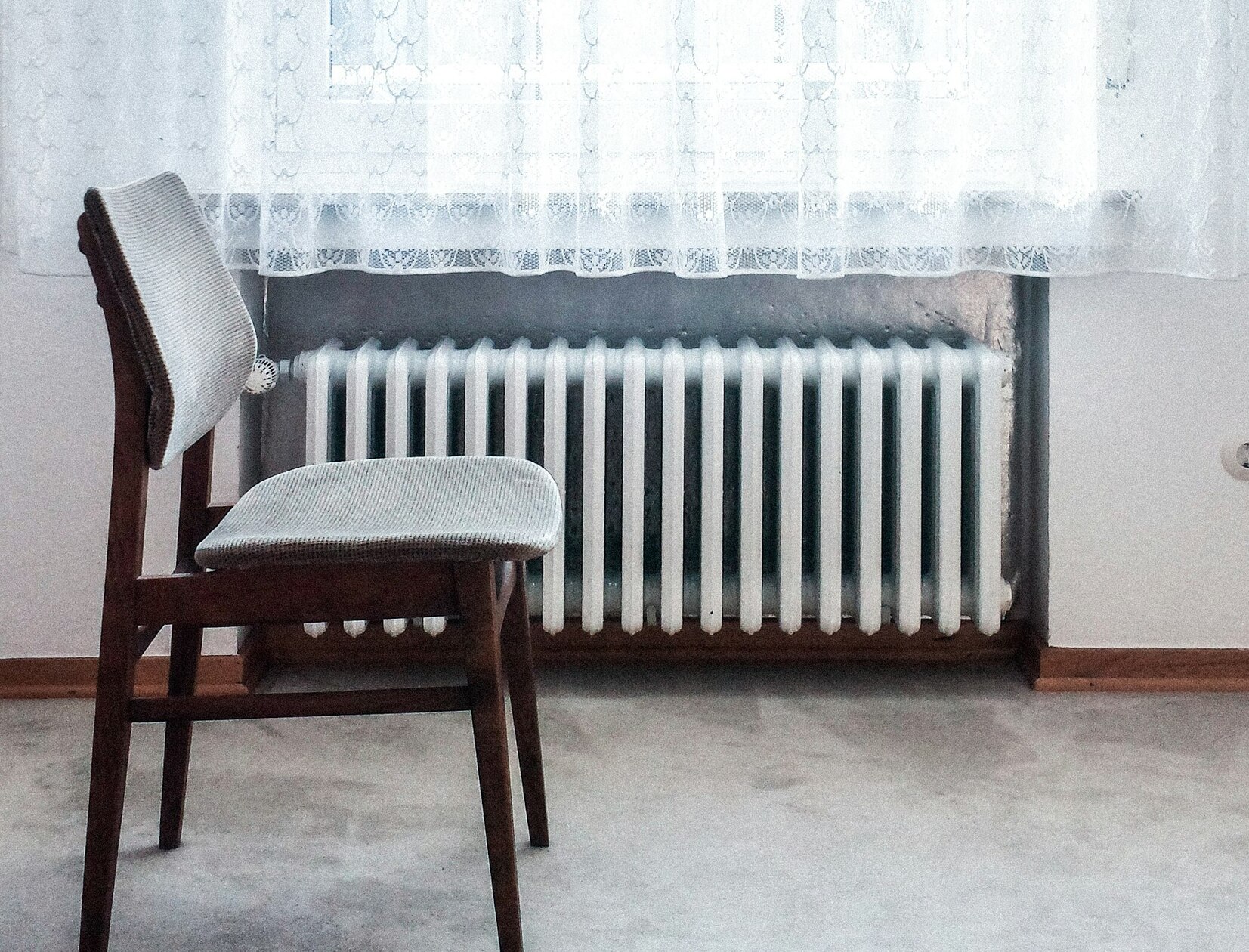
Authorities in the Kotovsky District of the Volgograd Region announced the start of the heating season on October 1, but the radiators in many Kotovsky residents' apartments remain cold. If there is no heating, residents can appeal to regulatory authorities and the court, a lawyer indicated.
As reported by the "Caucasian Knot," Kotovsky residents have repeatedly complained about problems with the water supply, citing the severe deterioration of the city's networks, frequent accidents, and the authorities' refusal to modernize the water supply system. On June 11, Kotovsky residents were warned about an upcoming water shutoff starting June 15 for an indefinite period, although by that time many residents had not had water for three weeks. On June 19, authorities reported on water delivery to Kotovo amid yet another breakdown – according to residents, the water supply was restored only for two days.
Kotovo residents interviewed today by a "Caucasian Knot" correspondent are outraged by the quality of heating in their apartments. The survey is not representative and reflects only the personal opinions of those interviewed. Sergey Bondarenko, a temporarily unemployed Kotovo resident, reported that the air temperature in his apartment had been below 15 degrees Celsius for several days. Sergey has adult children who live in Volgograd, while Sergey and his second wife have lived in the center of Kotovo for 11 years. They're currently keeping warm in their apartment with a simple space heater.
"Our space heater raises the temperature in the bedroom to 18 degrees, which is okay. We don't heat the living room or bathroom; it's only warm there when the sun shines through the windows. The air in the bedroom is dry. My wife has asthma. So, it's either hot and coughing, or cold and coughing from a cold. There's no other option," Sergey complained.
The man noted that he didn't file a complaint anywhere because he "has no patience for it." His wife called the management company: they said the heating season started in Kotovo on October 1st, "but the heat hasn't reached all the houses yet."
Andrey Khanbekov and his family live in the neighboring town of Kamyshin; his wife's parents live in Kotovo. Both are pensioners and disabled people with musculoskeletal disorders. Khanbekov recalled that in the summer, when the water supply was cut off in Kotovo, he and his wife took the elderly people to live with them in Kamyshin. Now they're thinking about taking them in for the winter as well, as the radiators in the pensioners' apartment are cold.
"We have a private house in Kamyshin with a gas boiler; we heat our own house, so that's no problem. But my parents don't want to inconvenience us; they constantly ask to come home. How can they live in their own apartment? They were wearing felt boots the last time we visited. Their health is already poor, and now they'll have even more problems because of the cold in the apartment," Andrei said.
According to the man, his mother-in-law and father-in-law pay 1,200 rubles a month for heating every year. When they turn on electric heaters, the electricity bill doubles. "They have good pensions, earned over 50 years of hard work, but most of the money goes toward treatment and medication. And if utilities are added, the elderly will have to be helped with money as well," Khanbekov noted.
A resident of VLKSM Street, who identified herself as Svetlana, said her eldest daughter goes to school, and her youngest attends kindergarten. She said the rooms in both institutions are cold. "Our apartment is fine so far. The radiators are cool, but the temperature hasn't dropped below 18 degrees. Yes, we don't wear shorts and T-shirts around the house, but we wear warm fleece-lined tights and pullovers, but it's bearable. But the girls from school and kindergarten have come home blue, saying it's cold there. I spoke with the teacher, but she says the principal handles these issues. And the school administration is unavailable for communication. At kindergarten, they point to the city government, saying, "You should contact them," complained Svetlana.
She reported that she pays 1,700 rubles a month for heating throughout the year. She has an air conditioner in her apartment, but when the outside temperature drops below freezing (there were several nights of frost in Kotovo), Svetlana doesn't turn it on in heating mode. She's perplexed why heating in apartment buildings can't be turned on based on the weather rather than a schedule. "It's warm outside—slow down; it's cold—step on the gas. Is it really that hard? After all, the employees of these organizations live in the same conditions as us, and their children attend the same schools and kindergartens—so create comfortable conditions for yourself and others," Svetlana advised.
Kotovo resident Marina Tokareva stated that the average daily air temperature on the streets of Kotovo "has been below 8 degrees Celsius for five days now." "It's the same thing every year. The administration owes the municipality gas, and the population's utility bill arrears are mere peanuts. After October 15th, they (the administration) will create a visible surge in activity, will be on duty in boiler rooms, at accidents, and will publicize their exploits in the media," she told a "Caucasian Knot" correspondent.
The Kotovsky District Administration declined to answer questions from a "Caucasian Knot" correspondent, referring us to the Volgograd Region Administration for official comment. An administration employee who answered the phone confirmed that the heating season officially began in Kotovo on October 1st. He did not explain why heat had not reached residents' apartments. The official did share a link to Kotovsky District Administration Resolution No. 1137, dated September 29, "On the Start of the 2025/2026 Heating Season in the Kotovsky Municipal District." It states that the heating season should be considered "the fifth day of a sustained decrease in the average daily outdoor air temperature to +8 degrees Celsius or lower for five consecutive days, but no later than October 15th." All heads of settlements are advised to organize "the heating of socially significant facilities on October 1st." Priority heating systems are to be installed in healthcare, educational, and housing facilities. The document was signed by district head Oleg Kuzmin. The quality of services provided by the management company to residents of apartment buildings is regulated by SanPiN 1.2.3685-21 "Hygienic Standards and Requirements for Ensuring the Safety and (or) Harmlessness of Environmental Factors for Humans," lawyer Sergey Ivaschenko explained to a "Caucasian Knot" correspondent.
During the cold season, regardless of the official start date of the heating season, the temperature in residents' apartments should not fall below 18 degrees Celsius. According to the regulatory document, a comfortable air temperature ranges from 20 to 24 degrees Celsius. According to regulations, the comfortable temperature range for kitchens during the cold season is 19-21 degrees Celsius, for bathrooms 24-26 degrees Celsius, and for hallways and stairwells 16-18 degrees Celsius.
"If you're freezing in your apartment, take proper measurements with the windows and vents closed and the doors closed. If the temperature is below the standard, contact your management company (or homeowners association). If they ignore your request, file a collective complaint demanding that air temperature measurements be taken with the participation of a management company (or homeowners association) employee. Register a second copy of the complaint with the company's office. If you're complaining to them by phone, ask the employee for your complaint number in their complaint log," the lawyer recommended.
If the management company or homeowners' association (HOA) doesn't acknowledge the violations and refuses to draw up a report on the quality of services rendered, then measurements should be taken with a housing inspector. At the same time, Ivaschenko recommends filing a collective complaint with Rospotrebnadzor.
"And if the management company or HOA maliciously refuses to turn on the heating, file a lawsuit in court. Don't forget to provide the judge with copies of the collective complaints and the results of the air temperature measurements. Without this, complaints about cold apartments will be of no interest to anyone; you need to make an effort," Ivaschenko emphasized.
Translated automatically via OpenAI from https://www.kavkaz-uzel.eu/articles/415987



![Tumso Abdurakhmanov. Screenshot from video posted by Abu-Saddam Shishani [LIVE] http://www.youtube.com/watch?v=mIR3s7AB0Uw](/system/uploads/article_image/image/0001/18460/main_image_Tumso.jpg "Tumso Abdurakhmanov. Screenshot from video posted by Abu-Saddam Shishani [LIVE] http://www.youtube.com/watch?v=mIR3s7AB0Uw")