


The Chechen Muftiate reported on the reconciliation of blood feuds
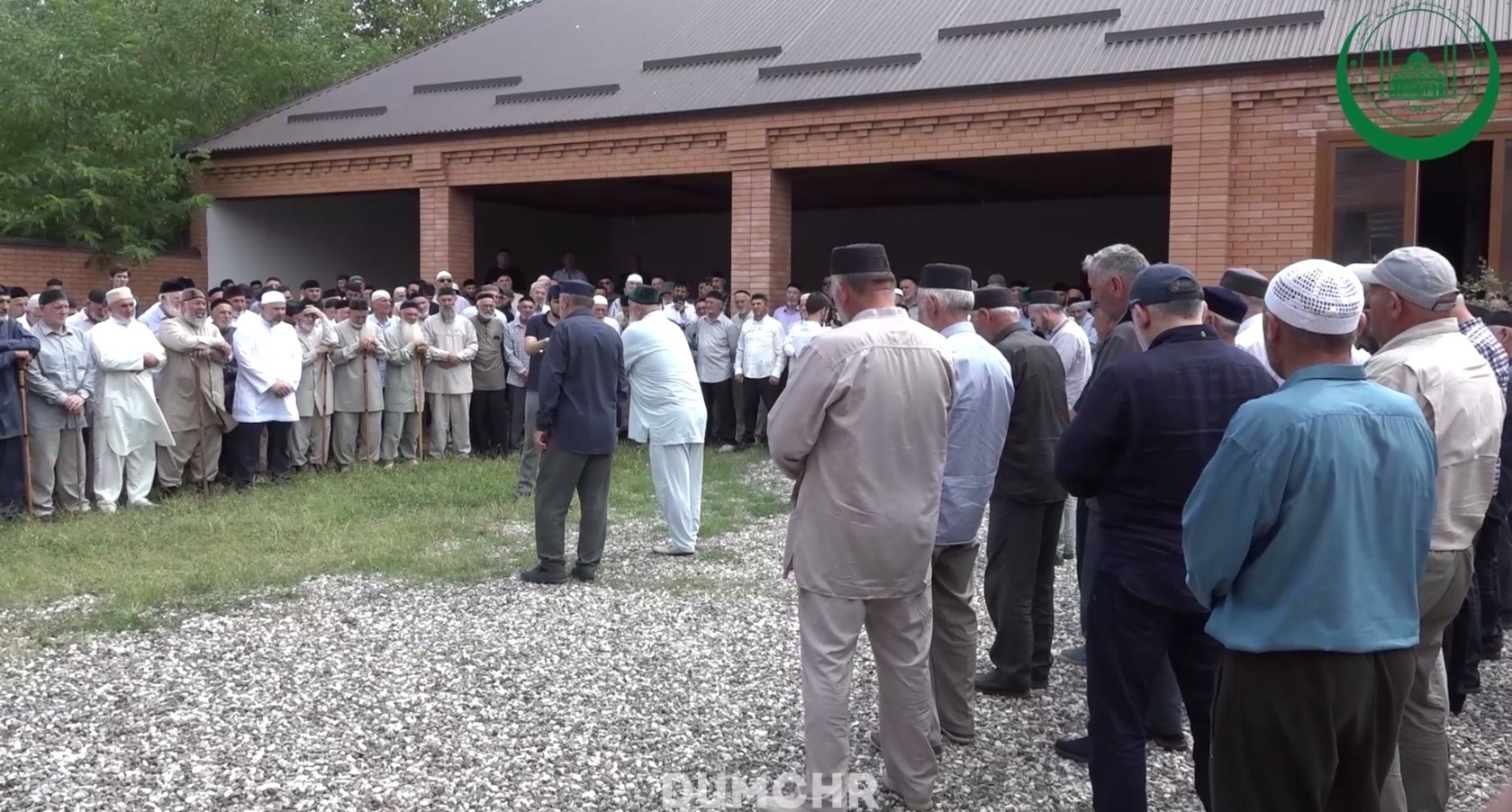
In the village of Starye Atagi, a reconciliation of families from Dagestan and Chechnya took place. They were in a blood feud after a relative died in a car accident. The Chechen Muftiate emphasized the role of the clergy and authorities in reconciling the blood feuders.
As "Kavkazsky Uzel" wrote, the Chechen authorities periodically report on the reconciliation of blood feuding families. In particular, in March 2024, it became known about the reconciliation of two families that were in conflict over a murder that occurred four years ago. In February of the same year, it was announced that in the Achkhoy-Martan district, a reconciliation ceremony was held between two families who were feuding over the murder of a person.
The tradition of blood feud, which developed under the clan system to protect the honor and property of the clan, in the North Caucasus still operates as a relevant social mechanism. According to this custom, the relatives of the murdered person must take revenge on the killer or his relatives, as noted in the "Caucasian Knot" reference "Blood feud - how they kill in the Caucasus now". Several stories about blood feuds, told by participants and eyewitnesses of the events, are given in the article "Payment for blood", published on the "Caucasian Knot".
On July 27, a reconciliation ceremony was held in the village of Starye Atagi between families who were in a blood feud, the Chechen Muftiate reports on its Telegram channel.
"The conflict arose almost a year ago after a traffic accident in which, due to the fault of Ali Magomedov from Dagestan, Anzor Gamayev, a native of the Chechen Republic, died," the publication explains.
Representatives of the Magomedov clan and fellow villagers arrived in Starye Atagi to ask forgiveness from the Gamayev family, the Chechen Muslim Spiritual Directorate claims. "The relatives of the deceased found the strength to forgive their blood feuder and seek reconciliation," the statement said.
The publication emphasizes that the reconciliation process was led by the deputy mufti of Chechnya, and that the conflict between the blood feuders was resolved "thanks to the work of the commission for reconciliation of the warring parties."
As of 10:55 Moscow time, there were no comments under the publication. The Muftiate of Dagestan did not report any reconciliation between the families of the blood feuders in its Telegram channel.
Recall that a commission for national reconciliation was created in Chechnya in 2010. On October 17, 2011, Ramzan Kadyrov announced that the commission had been abolished as unnecessary, but the next day a new commission was created under the Spiritual Administration of Muslims, which, as the muftiate explained, would be engaged in, among other things, reconciling blood feuds.
At the same time, residents of Chechnya who encountered the work of this commission noted that reconciliations were taking place under duress. In 2007, when the active phase of reconciliation of blood feuds began, the muftiate and the authorities literally imposed reconciliations, noted political scientist Ruslan Kutayev . The relatives will make a concession, but only temporarily, he emphasized. "This is just a concession, after which the family will return to blood feud," he told the "Caucasian Knot."
Despite the authorities' declared fight against the custom of blood feud, in 2024, Ramzan Kadyrov called on Dagestan senator Suleiman Kerimov and State Duma deputies Bekkhan Barakhoev and Rizvan Kurbanov to prove their non-involvement in ordering his murder and warned of their readiness to declare blood feud.
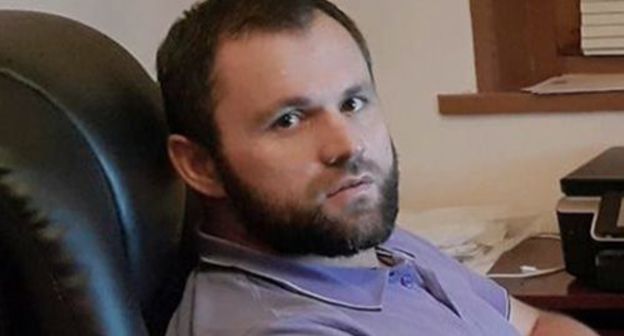
In 2019, one of Kadyrov's closest associates Magomed Daudov declared blogger Tumso Abdurakhmanov a blood enemy for his words about Akhmat Kadyrov. You can read more about this in the "Caucasian Knot" reference "The Main Thing About Tumso: Why the Insolent Chechen Mocks the Blood Feud of the "Lord".
Translated automatically via OpenAI from https://www.kavkaz-uzel.eu/articles/413381

![Tumso Abdurakhmanov. Screenshot from video posted by Abu-Saddam Shishani [LIVE] http://www.youtube.com/watch?v=mIR3s7AB0Uw](/system/uploads/article_image/image/0001/18460/main_image_Tumso.jpg "Tumso Abdurakhmanov. Screenshot from video posted by Abu-Saddam Shishani [LIVE] http://www.youtube.com/watch?v=mIR3s7AB0Uw")