


FIDH: antiterrorist legislation mastered in Chechnya now transferred to whole of Russia
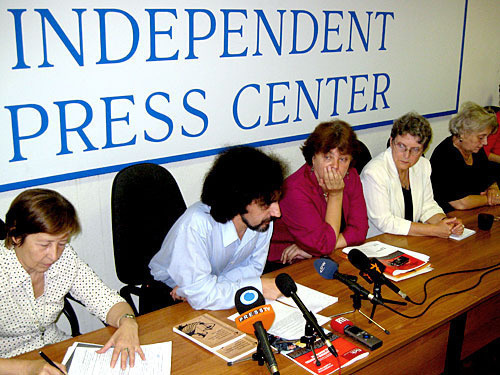
After studying the changes of the Russian antiterrorist legislation made in recent years, the International Federation of Human Rights (FIDH) has concluded that the toughening measures mastered in the Caucasus were then transferred to the rest of Russia. This was stated by FIDH expert Ann Lyo Ueru, who is specializing on Russia, in particular, on antiterrorist methods within the conflict in Chechnya.
"Our organization has studied changes in Russian legislation as to the fight with extremism and terrorism. At the study, we, certainly, recognized that the war in Chechnya and spread of the conflict on other countries and republics of Northern Caucasus contributed to toughening and changing the legislation," Ms Lyo Ueru said to the "Caucasian Knot" correspondent.
"In spite of the fact that we have studied all the countries, it seemed to us that Russia was a vivid example in toughening the antiterrorist legislation. Firstly, the way, by which the legislation, the antiterrorist one, as to Northern Caucasus, could legalize illegal practices, which before this new legislation had been adopted and used every day with the population of Chechnya and Northern Caucasus. And the point important for us that this legislation later promoted certain things and was transferred to the whole of Russia," said Ann Lyo Ueru.
In the opinion of FIDH experts, according to the statistics we can speak about a significant reduction of the number of officially registered terror acts. However, the antiterrorist law of March 6, 2006, has a number of provisions, which endanger the observance of human rights. First of all, it refers to definition of the notion of "terrorism". Under the aegis of antiterrorist or anti-extremist legislation they pursue representatives of various communities, for example, of non-traditional Islam, and also use not quite lawful methods of counteracting terrorism and extremism (such as torture, illegal detentions and so forth).
Source: CK correspondent


![Tumso Abdurakhmanov. Screenshot from video posted by Abu-Saddam Shishani [LIVE] http://www.youtube.com/watch?v=mIR3s7AB0Uw](/system/uploads/article_image/image/0001/18460/main_image_Tumso.jpg "Tumso Abdurakhmanov. Screenshot from video posted by Abu-Saddam Shishani [LIVE] http://www.youtube.com/watch?v=mIR3s7AB0Uw")